Trusted Fence Replacement Services for Any Budget
Dependable fence replacement solutions are essential for residents aiming to upgrade their premises. With a wide range of resource selections accessible, from affordable chain link to refined wooden structures, there is something for every budget. Recognizing personal requirements, such as seclusion and visual appeal, is important in this process. However, selecting the right contractor and materials can be overwhelming. Which elements should be evaluated to ensure a successful result?
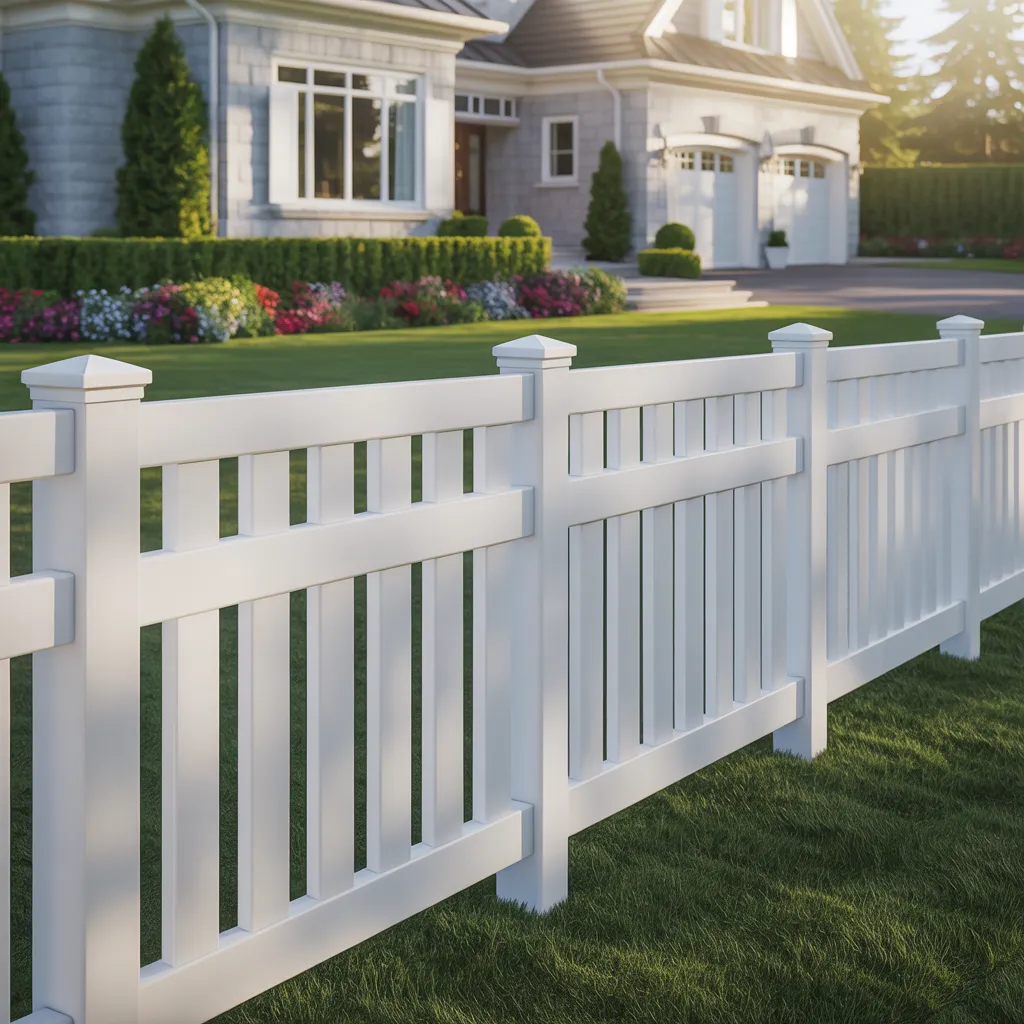
How to Pick the Perfect Fence for Your Property
When determining how to choose the right fence for a property, it is essential to analyze multiple factors that affect the selection. The foremost considerations encompass the intended function of the fence, such as privacy, security, or visual enhancement. Additionally, the local climate plays a significant role; the chosen materials must resist environmental elements to ensure lasting performance. Property lines and zoning regulations must also be reviewed to eliminate the risk of disagreements with neighboring residents.
An equally significant consideration is upkeep; not all materials require the same level of attention. Homeowners need to assess their readiness to invest time and resources into maintaining their fence. Finally, personal style preferences should align with the property's architectural design. By evaluating these factors, property owners can make informed choices that enhance their space while fulfilling their specific needs.
Cost-Effective Fence Choices: Materials and Styles
When considering replacing your fence, budget-friendly options can provide both style and affordability. Various materials, such as vinyl and chain-link fencing, offer affordable solutions without sacrificing durability. Moreover, diverse design possibilities allow homeowners to achieve the desired aesthetic while staying within their budget.
Cost-Effective Material Selections
Economical material choices for fencing can considerably influence both the cost and aesthetic appeal of a property. Widely used options include chain link, which offers long-lasting performance at a lower price, and vinyl, recognized for its minimal upkeep and lasting performance. Wood fencing, notably pressure-treated pine, deliver a classic look and can be economical if obtained from local suppliers. Composite options, while slightly pricier, merge the aesthetic of wood with greater strength, making them a valuable choice. In addition, bamboo is an sustainable choice that can bring a distinctive charm to outdoor areas. Every material offers unique advantages, allowing homeowners to select options that align with their financial constraints while enhancing their property's visual appeal.
Diverse Design Possibilities
Selecting the right options for a fence not only influences your finances but also provides access to numerous design possibilities. Residents can select from a variety of cost-effective options, such as wood, vinyl, or chain-link fences, each offering individual design characteristics. For instance, vinyl can mimic the appearance of wood while demanding less care, while chain-link is best suited for an clear, unobstructed view. Furthermore, wood can be stained or painted to suit any yard, allowing for customization. Choices like picket or split rail styles can enhance curb appeal without straining your budget. By carefully considering these styles and materials, property owners can achieve a attractive fence that complements their landscape while staying within budget limitations.
Key Elements of Long-Term Durability
While different materials provide unique visual characteristics, their resilience significantly influences the lifespan and upkeep of cost-effective fencing solutions. Wood, while popular for its natural appearance, can suffer from rot and insect damage if not properly treated. PVC offers a more durable option, withstanding discoloration and splitting, although upfront expenses tend to be greater. Chain-link barriers offer long-lasting performance at a reduced cost yet fall short in privacy and visual attractiveness. Metal varieties including aluminum remain light in weight and corrosion-resistant, making them well-suited for a range of environments. In the end, choosing a material that harmonizes affordability with resilience is critical for guaranteeing that cost-aware homeowners benefit from a dependable fence that endures over time with little upkeep required.
Key Qualities to Look for in Fence Replacement Services
When assessing fence replacement services, what key qualities should homeowners focus on? Initially, experience and expertise are essential; well-established companies typically hold the expertise needed to address diverse fence types and installation demands. Additionally, a reputable service should provide transparent communication, ensuring clients are informed throughout the process.
The quality of materials is another important factor, as they significantly affect the lifespan and visual quality of the fence. Homeowners should look for services that offer warranties, reflecting confidence in their workmanship and materials. Reviews and testimonials from past customers can offer valuable information about the dependability and expertise of the service provider, enabling homeowners to make well-informed decisions.
Additionally, design flexibility enables homeowners to choose styles that suit their personal tastes and property appearance. By prioritizing these key attributes, homeowners can select a fence replacement service that meets their needs and expectations effectively.
Cost Comparison: DIY vs. Professional Fence Replacement
When thinking about fence installation options, property owners often consider the costs of DIY projects against hiring professionals. A comprehensive breakdown of DIY costs reveals the price of materials, equipment, and unexpected charges, while professional services include labor and expertise. Recognizing these cost-related factors is critical for reaching a well-informed conclusion.
DIY Cost Analysis
A great number of homeowners think about the financial aspects of replacing a fence, comparing the advantages of doing it themselves versus hiring professionals. The typical costs of a DIY fence replacement encompass materials, tools, and potential permit fees. Fencing materials including wood, vinyl, or chain-link tend to vary widely in cost, where wood is usually considered the most economical selection. Property owners should also factor in tool expenses—renting or purchasing equipment can add to the overall expense. Moreover, even though labor costs are absent in a DIY project, the time commitment must be considered, as it can be significant. Unforeseen obstacles, like challenging terrain or adverse weather, can additionally affect the budget, making a comprehensive financial assessment necessary prior to starting a DIY project.
Professional Services Expenditures
Homeowners weighing the DIY option often find themselves considering the expenses related to expert fence installation services. Generally, enlisting professionals involves labor costs ranging from $30 to $50 per hour, subject to the area and intricacy of the job. Materials may also contribute substantially to the overall expense, with professional services often sourcing higher-quality options than DIYers. Moreover, specialists commonly provide warranties and assurances, delivering lasting value and reassurance. Although DIY efforts may appear more affordable at first, hidden costs such as tools, time, and potential mistakes can quickly add up. Therefore, for individuals who value quality and efficiency, professional services may prove to be a worthwhile investment in the long run.
Breaking Down Fence Replacement Costs
What factors determine the price of fence replacement? A number of considerations impact the overall expense of this project. To begin with, the material selected—wood, vinyl, chain-link, or wrought iron—has a major impact on pricing. Every material differs in cost, durability, and visual appeal. Furthermore, the scope of the fencing project significantly affects the total cost; larger spaces necessitate increased materials and more workforce.
Moreover, local labor costs and installation complexity can influence the final price. For example, uneven terrain or the need for permits may lead to increased labor costs. It is also important for homeowners to account for additional features, such as decorative elements or gates. During peak seasons, contractors may charge more, meaning seasonal demand can also affect pricing. Understanding these variables is essential for homeowners to budget effectively and make informed decisions regarding their fence replacement project.
How to Select the Best Fence Replacement Contractor
Upon initiating a fence replacement endeavor, what aspects should one examine when choosing a contractor? First, it is vital to check the contractor's credentials, including insurance and licenses. This ensures adherence to local regulations and shields the homeowner from liability. Following this, examining previous work and gathering references can provide insight into the contractor's consistency and quality of work.
Moreover, requesting numerous estimates offers a more accurate picture of prevailing rates and makes it easier to recognize potential issues. Good communication is just as critical; a service provider should be quick to reply, clear about their procedures, and ready to address concerns. Beyond that, browsing customer reviews can reveal customer experiences and satisfaction levels. Finally, a reputable contractor will offer a warranty on their work, proving their trust in their own craftsmanship. By considering these factors, homeowners can reach a knowledgeable conclusion and pick a contractor best matched to their needs and spending limits.
Answers to Your Most Common Questions
What Is the Typical Duration of a Fence Replacement Project?
A standard fence replacement project usually spans one or two weeks, influenced by factors such as the total area involved, type of materials used, and weather conditions affecting the installation process.
What Permits Are Required for Fence Replacement?
Typically, permits for fence replacement vary by location but typically include building permits and zoning permits. Homeowners should consult applicable local regulations to guarantee compliance, as requirements may differ considerably between homeowner associations and municipalities.
Can I Install a Fence on My Own Property Line?
Indeed, a person is permitted to build a fence on their personal property line, given that they observe local regulations and zoning laws. It is recommended to confirm property lines and speak with neighboring property owners to minimize the risk of disagreements.
What Maintenance Is Needed After Fence Installation?
Routine upkeep following fence installation includes checking for signs of damage, washing down surfaces, using protective stains or sealants, securing any loose hardware, and preventing vegetation from encroaching. Regular maintenance prolongs the fence's lifespan and maintains its appearance.
Are Warranties Offered for Fence Materials and Installation?
Numerous fence installation materials come with warranties, differing by installer and manufacturer. Generally, these warranties cover material defects and performance standards, ensuring customers enjoy coverage for concerns that might develop following installation, boosting overall satisfaction and investment security.